
EN
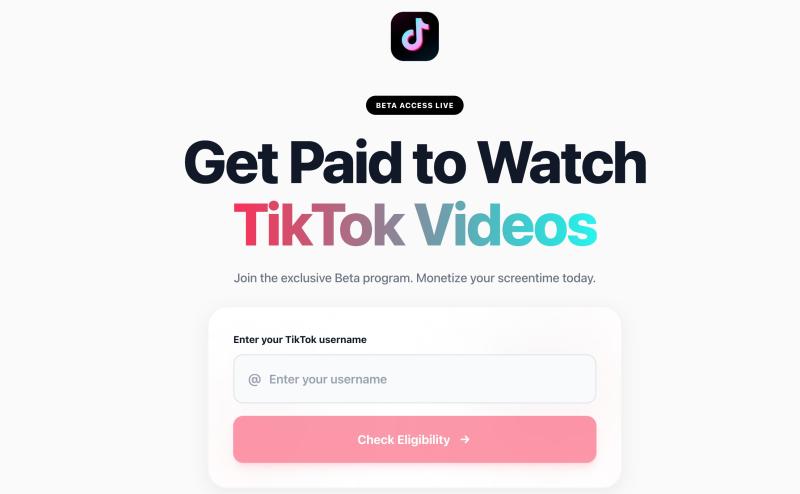
Websites like Tikuzmi.com, TikDia.com, Tiknez.com, Tok2k.com, and similar platforms that claim to pay users for watching TikTok videos have been attracting a lot of attention recently. These sites promise quick rewards for short video views, but their layout, interaction style, and online behavior often stand out as unusual.
Many of these platforms use pop-ups, notification prompts, and frequent redirects that make the browsing experience unpredictable. While they may appear straightforward at first glance, but because of their shared structure and behavior, these sites have become a point of concern for users who value online safety and data privacy.
One of the most noticeable traits of these websites is the lack of meaningful information. Instead of explaining what the platform offers, users are shown generic pages with minimal text and no real context. Essential details such as ownership, service explanation, or legitimacy indicators are usually missing. This absence of transparency makes it difficult for users to assess whether the website is safe or trustworthy.
Rather than allowing natural browsing, these websites immediately attempt to control user behavior. They rely on short instructions that suggest urgency or necessity, such as asking users to confirm access, verify their browser, or proceed to the next step.
These instructions are crafted to appear routine, but they are misleading. They do not perform the functions they claim. Instead, they guide users toward granting permissions that benefit the website operator, not the visitor.
Once users interact as instructed, the browsing experience changes noticeably. The site may disappear from view, but its presence continues in the background through browser notifications.
These notifications can appear at any time and may contain:
Because browser notifications bypass traditional website visits, users may receive these messages repeatedly, increasing exposure to questionable content and further redirects.
Another common issue associated with these websites is unexpected redirection behavior. Users may be automatically forwarded to third-party pages without clicking anything of value. These redirects can change depending on region, device, or browsing session, making them unpredictable. Such behavior suggests that traffic is being monetized rather than used to provide a genuine service.
Beyond visible behavior, there are quieter risks that deserve attention. These websites often collect user data automatically during visits. This can include technical and behavioral information such as:
In some cases, users may be prompted to submit personal details without clear justification. Due to the absence of clear privacy disclosures, there is a strong possibility that collected information could later be shared or sold to third parties, including advertising networks or data brokers. This can lead to increased spam, targeted promotions, or exposure to similar websites.
Legitimate online platforms usually make it easy to identify who is behind them. In contrast, these websites often provide no verifiable ownership details. Contact information, company registration, and support channels are either missing or intentionally vague. This lack of accountability makes it nearly impossible for users to raise concerns, request data removal, or seek explanations.
These websites appear to follow a repeatable deployment model. Once a domain stops receiving traffic or is flagged by users, another similar site replaces it. The design, scripts, and behavior remain the same, allowing operators to maintain visibility across different domains. This explains why users frequently encounter new sites with familiar layouts and identical behavior.
Users can reduce exposure by staying alert and cautious. They can follow the following tips to save themselves:
Although these “Get Paid To Watch TikTok Videos” websites like Tikuzmi.com, TikDia.com, Tiknez.com, etc. may look different on the surface, their behavior reveals consistent patterns that raise privacy and safety concerns. From misleading instructions and notification abuse to data collection and unclear ownership, the risks extend beyond a single visit.
Understanding how these websites operate helps users make informed decisions and avoid unnecessary exposure in the future.
Disclaimer: This article has been written by a Scam Fighter Contributor. If you believe the article above contains inaccuracies or needs to include relevant information, please contact ScamAdviser.com using this form.
