
EN

The Lux Blaze Lighter is being heavily promoted online as a futuristic, high performance Tesla coil lighter that can allegedly produce extreme heat, work in windy conditions, and even cut through tough materials. On the surface, the marketing makes it look like a breakthrough piece of portable tech. However, when we compare the promotional claims with technical logic, user feedback patterns, and marketplace data, several inconsistencies and red flags begin to appear.
This review takes a closer look at how the product is presented, what is actually known about similar devices, and why many buyers are raising concerns about whether the advertising matches reality.
The promotional videos and sales pages for the Lux Blaze Lighter describe it as a powerful handheld device that uses Tesla coil technology. Some of the most attention grabbing claims include:
The marketing presents it as far more advanced than a regular lighter, almost comparable to industrial cutting equipment in a compact form. However, this is where the first set of inconsistencies begins to appear.
One of the most important issues raised in analysis of the promotional content is the claim that the device can burn or cut through thick steel. According to basic physics, producing enough energy to cut through dense metal would require extremely high power levels, far beyond what a small USB-rechargeable handheld device can safely store or output.
Hence, such energy levels would require a massive power source, and the device body itself would likely overheat if it attempted anything close to that performance. Yet, the advertisements show clean, dramatic cuts through metal surfaces without visible limitations.
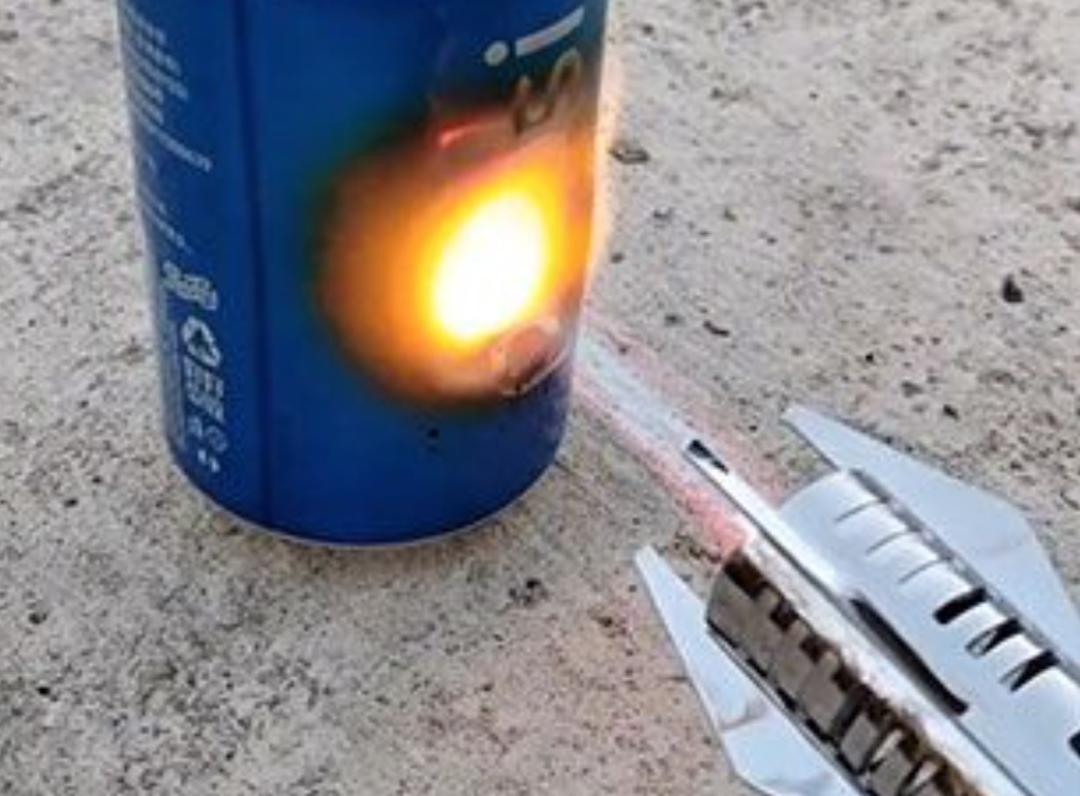
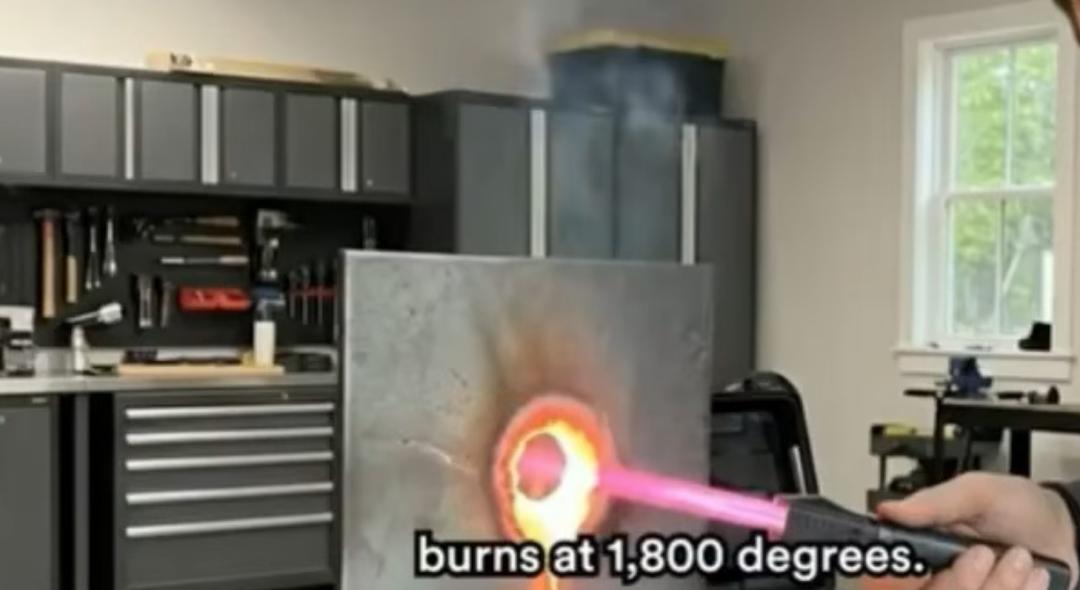
Another concern is the vague explanation of Tesla coil technology. While Tesla coils are real scientific devices used for generating high voltage electricity, the marketing does not explain how this technology is miniaturized, powered, or safely contained in a small lighter sized product.
Instead, the term appears to be used as a buzzword without technical explanation.
A closer look at promotional material on sites such as "buyluxblaze.com" and "luxblazelighter.com" shows multiple inconsistencies in product visuals and claims.
Some ads show:
However, the metal cutting visuals are notably absent on the actual product pages, where the demonstrations are limited to simpler tasks. In addition, some product images appear inconsistent in shape and lighting, with signs that certain visuals may be digitally enhanced or AI-generated. This mismatch between different promotional assets raises questions about whether all demonstrations represent the same physical product.
Another noticeable pattern is the use of recognizable media logos placed on sales pages. These logos are shown as if major news outlets or platforms have reviewed or endorsed the product.
However, there are no clickable articles, references, or verified coverage linked to these logos. They appear as static images only, which can create a misleading impression of third-party validation without actual evidence. This type of presentation is often considered a marketing tactic used to build artificial trust.
The pricing model also raises concerns.
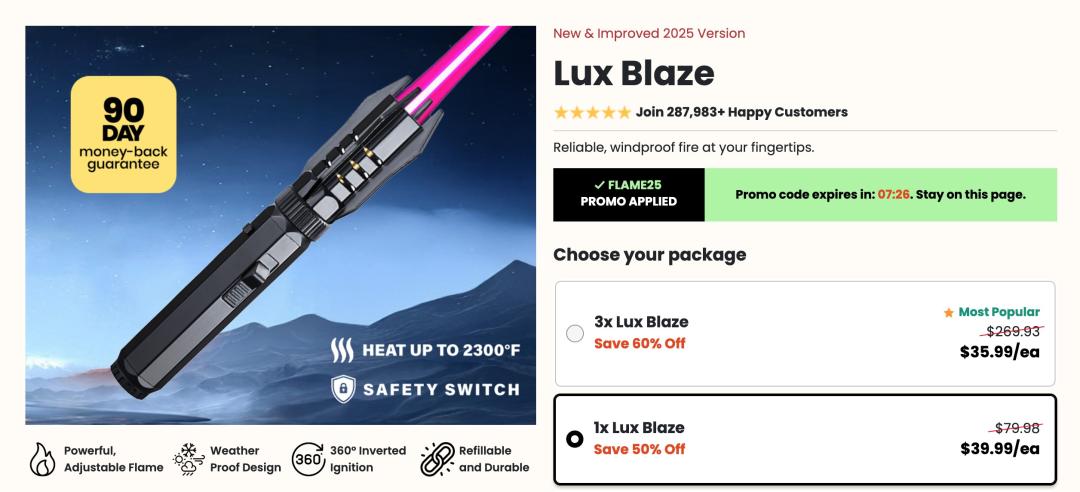
The product is advertised with:
Despite being promoted as advanced technology, the price per unit drops significantly with bulk offers, sometimes making it appear as if the product is being aggressively pushed rather than sold based on consistent retail value. A similar pattern is often seen in dropshipping style sales funnels, where urgency is artificially created to encourage quick decisions.
When checking external review platforms and consumer feedback patterns, a different picture emerges compared to the promotional claims.
Reports suggest:
It is also important to note that similar products appear under different names such as Blazara or FireBlaze, often sourced from low cost manufacturers and resold at significantly higher prices.
This aligns with the broader concern that the same item may be repeatedly rebranded under different marketing identities.
According to De-Reviews.com, website that are selling these products with exaggerate claims, Luxblazelighter.com and Buyluxblaze.com both have a TrustScore of 43% out of 100%, indicating average trust signals and raising concerns about the reliability.
While a low score does not automatically confirm wrongdoing, it does suggest that caution is needed considering the uncertainty about these platforms' credibility.
Another major finding is the price difference between official promotional sites and general marketplaces.
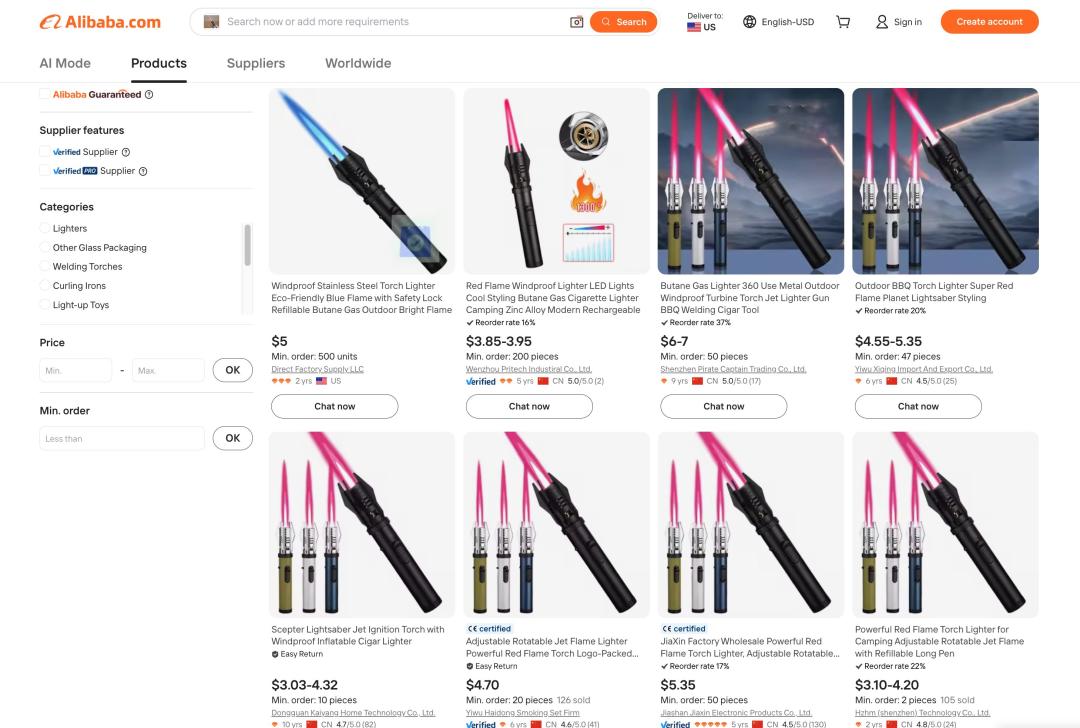
On platforms like Alibaba, visually similar lighters can often be found for a few dollars while the promotional websites list it at around $35 per unit, especially under limited time discount offers and bundle pricing tactics. These are typically simple torch lighters, sometimes with LED style design elements but without advanced plasma or Tesla coil functionality.
This suggests that the product being marketed under the “Lux Blaze” branding may not be unique technology, but rather a rebranded version of widely available low cost items.
Based on available evidence from promotional content, user reports, technical logic, and pricing comparisons, the Lux Blaze Lighter appears to fall into a category of heavily marketed consumer gadget where expectations and reality may not fully align.
While it may function as a basic lighter or torch in some cases, many of the advanced claims, such as extreme steel cutting power or Tesla coil-level performance, do not appear to be realistically supported.
The combination of exaggerated demonstrations, inconsistent visuals, urgency based marketing, and low cost alternatives available elsewhere suggests that buyers should approach these offers with caution and realistic expectations.
Disclaimer: This article has been written by a Scam Fighter Contributor. If you believe the article above contains inaccuracies or needs to include relevant information, please contact ScamAdviser.com using this form.
