
EN
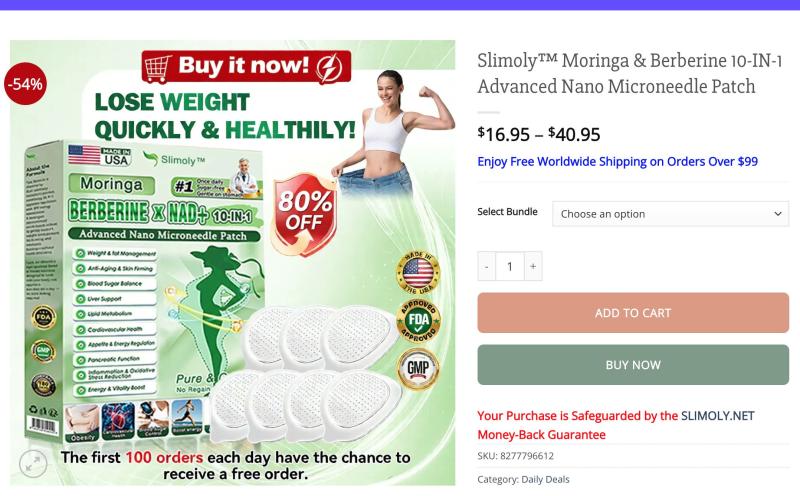
The Moringa Berberine Microneedle Patches can be found online promoted as a modern, science backed solution for weight management and metabolic health. Advertisements often present them as a simple, effortless method where a small skin patch delivers powerful ingredients like berberine, moringa, NAD+, curcumin, and resveratrol directly into the body using advanced nano microneedle technology.
At first look, this concept may sound innovative and appealing, especially for individuals looking for easy alternatives to traditional diet and exercise routines. However, when the claims, technology, and user feedback are carefully examined, several important concerns and inconsistencies begin to appear.
This review follows the approach of analyzing marketing claims, transparency, scientific support, and consumer experiences to help readers make informed decisions.
The marketing behind Moringa Berberine Microneedle Patches is highly ambitious. According to promotional content, these patches are designed to support multiple health functions at the same time, including:
In addition, some advertisements suggest users can lose 6 to 8 pounds in just one week, which is presented as a natural result of wearing the patch daily.
Such a wide range of benefits from a single small patch already raises questions, especially when it involves complex biological systems like metabolism, hormones, and fat reduction.
A major selling point is the use of nano microneedle technology. Microneedle systems do exist in modern medicine and are used in controlled environments, such as vaccine delivery and dermatological treatments.
However, in this case, the claim is that the patch delivers active compounds like berberine and NAD+ through the skin in significant amounts to influence full-body metabolic processes.
This is where scientific concerns arise. Many of the ingredients promoted in the patches are large or complex molecules that typically require oral consumption or medically controlled delivery methods to have measurable effects.
There is currently no widely accepted clinical evidence demonstrating that over-the-counter patches can effectively deliver these compounds through the skin in doses strong enough to support the advertised results.
Another important factor to consider is the way scientific language is used in marketing.
Phrases such as:
These claims are frequently mentioned in promotional materials. However, no clear access to peer reviewed studies, published clinical trials, or recognized medical institutions is provided to support these claims.
When health related products rely heavily on scientific terminology but do not offer transparent documentation, it becomes difficult for consumers to independently verify effectiveness or safety.
The ingredients themselves are not unfamiliar in the wellness industry:
While these compounds may have individual research backing in oral supplement form, the key concern is not the ingredients themselves but the delivery method through skin patches.
Scientific evidence supporting effective transdermal delivery of these compounds in meaningful amounts is extremely limited. Without proper absorption, even beneficial ingredients may not produce noticeable effects.
One noticeable pattern in the promotion of these patches is the use of authority style messaging. Some ads include references to:
However, these individuals are often not clearly identifiable, and their credentials cannot always be independently verified. This makes it difficult to confirm whether these endorsements represent real medical expertise or marketing representations.
In the wellness industry, especially online, such unverified authority claims are often used to build trust quickly, even when supporting evidence is limited.
Looking beyond promotional material, independent consumer feedback presents a more mixed picture.
Commonly reported concerns include:
Most importantly, many users report no noticeable weight loss or metabolic change, despite consistent use. There are also reports suggesting similar microneedle style patches are available on marketplaces under different names, sometimes at much lower prices. This raises the possibility that the product may be part of a broader category of re-branded wellness patches rather than a unique medical innovation.
A similar breakdown of this product category is also discussed in our related analysis here: Alcuras Moringa Berberine AMPK Nano Microneedle Patch Review
This broader context shows that multiple versions of these patches follow similar marketing patterns, often emphasizing scientific language, rapid results, and simplified solutions to complex health issues.
When evaluating wellness products like this, experts typically look for three key factors:
In this case, several gaps are noticeable:
These factors do not necessarily confirm malicious intent, but they do suggest that the product should be approached with careful scrutiny.
Moringa Berberine Microneedle Patches are presented as a futuristic health innovation, combining popular natural ingredients with advanced sounding technology. However, the significant gap between the marketing claims and many reported user experiences suggests that consumers should exercise extreme caution and maintain realistic expectations.
Claims of rapid weight loss, wide-ranging health benefits, and exceptionally high absorption rates from a simple skin patch are not strongly supported by current scientific evidence.
For anyone considering such products, it is important to carefully review available information, consult a qualified healthcare professional, examine independent customer feedback, and remain cautious of exaggerated promises. In general, wellness products that claim fast, effortless, and wide-ranging health transformations often warrant closer scrutiny before any purchase decision is made.
Disclaimer: This article has been written by a Scam Fighter Contributor, De-Reviews.com Team. If you believe the article above contains inaccuracies or needs to include relevant information, please contact ScamAdviser.com using this form.
