
EN
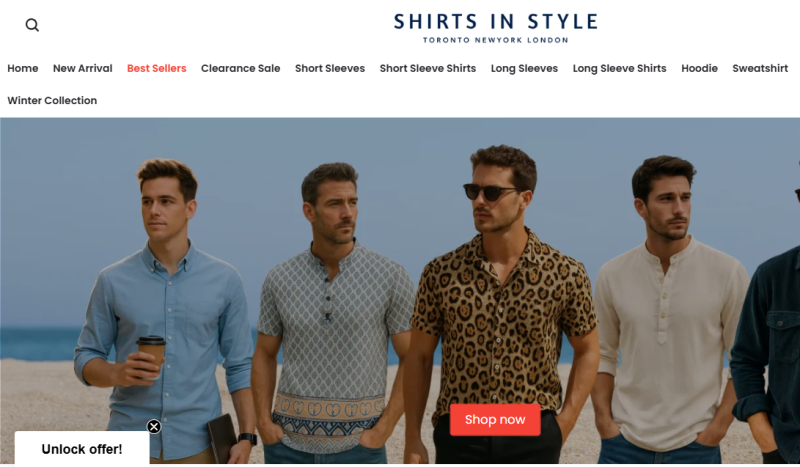
Online clothing deals can look irresistible. A stylish shirt, a huge discount, and polished product photos make it feel like you’ve found a hidden gem. That’s exactly how many shoppers end up ordering from ShirtsinStyle.com. Unfortunately, the experience many customers report after clicking “buy” tells a very different story.
Despite being online since 2019, ShirtsinStyle has built a long trail of unhappy customers. Reviews, complaints, and consumer reports all describe a remarkably similar pattern — convincing ads, smooth checkout, long delivery times, and products that look nothing like the photos.
In a Nutshell
Reports from customers follow a predictable sequence.
Many buyers first encounter ShirtsinStyle through social media ads showing premium shirts at steep discounts — often 50% to 70% off. The website itself appears polished and functional, which helps build trust.
Payment processes smoothly, and confirmation emails arrive quickly. At this stage, everything feels like a normal online purchase.
While the website often suggests relatively quick delivery, customers frequently report waiting six to ten weeks for their order to arrive.
When the package finally arrives, it typically ships from Guangzhou, China. For many buyers, this comes as a surprise since the website lists addresses in the United States or Canada.
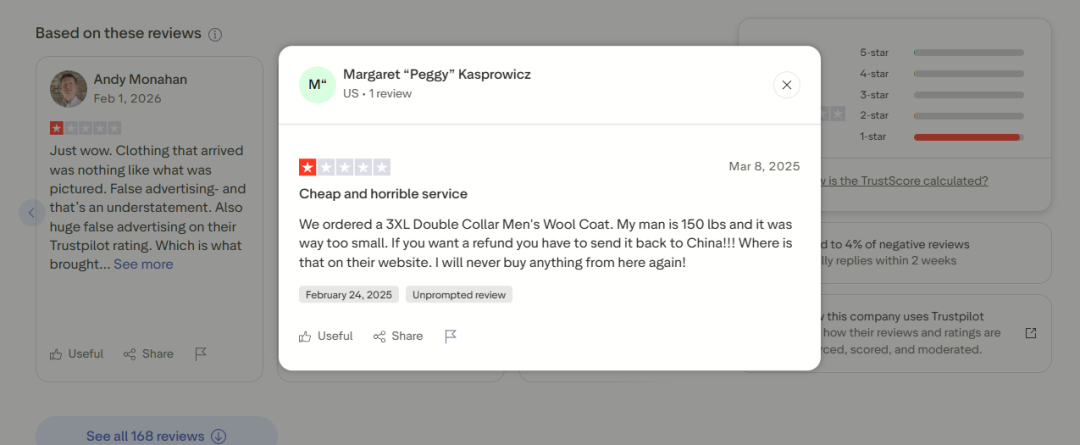
One of the most common complaints is that the item received looks nothing like what was advertised. Customers report:
Buyers who contact support often receive automated responses or template emails referencing support tickets. Resolution is rare, according to many reviewers.
A common response reported by customers is an offer to refund about 20% of the purchase price or provide a store credit. For lower-cost items, this can amount to only a few dollars.
Customers are often told they can return the product, but the return address is in China. International shipping can cost significantly more than the item itself, making the return impractical.
Many reviews online describe the same frustrating experience. Complaints often focus on poor quality materials, incorrect sizing, and difficulty obtaining refunds.
Some buyers also report that items advertised as branded or premium clothing arrive looking like generic knockoffs. Others say they stopped pursuing refunds after receiving repeated automated responses.
With hundreds of reviews describing similar situations, the pattern has remained consistent for several years.
One reason sites like ShirtsinStyle can operate for years is the constant flow of new customers from social media ads. Each new advertising campaign brings in fresh buyers who may not be aware of the earlier complaints.
The website itself may also change small details over time, while keeping the same overall business model.
If you’ve already placed an order and the product doesn’t match what was advertised, there are steps you can take.
Document everything first — keep your order confirmation, product photos, and all email communication. This evidence can be useful if you dispute the charge with your bank or card provider.
Many consumer protection experts also recommend contacting your payment provider and requesting a chargeback if the item received was significantly different from what was advertised.
Leaving an honest review online can also help warn other shoppers before they place an order.
Overall, ShirtsinStyle.com is very likely unsafe.
Tip: If you see ads from ShirtsinStyle promising luxury shirts at huge discounts, think twice before buying. The deal may not be as good as it looks.
This article has been written by a scam fighter volunteer. If you believe the article above contains inaccuracies or needs to include relevant information, please contact ScamAdviser.com using this form.
Adam Collins is a cybersecurity researcher at ScamAdviser who operates under a pseudonym for privacy and security. With over four years on the digital frontlines and 1,500+ days spent deconstructing thousands of fraud schemes, he specializes in translating complex threats into actionable advice. Adam’s mission is simple: exposing red flags so you can navigate the web with confidence.
