
EN
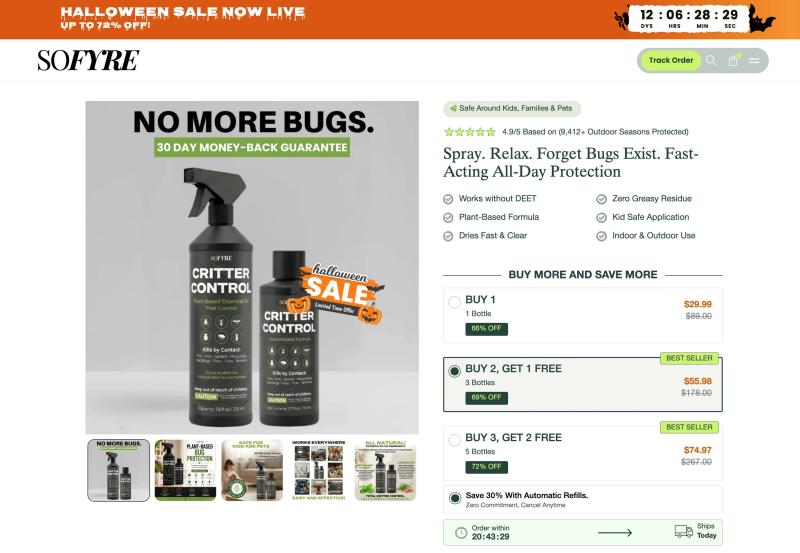
When searching for natural pest control solutions online, the SoFyre Critter Control Spray appears with prominent advertisements promising fast-acting protection against various household pests. Marketing materials emphasize a plant-based, family-safe alternative to traditional chemical repellents.
However, a closer look at publicly available information, consumer registries, and the storefront's underlying architecture reveals several elements that potential buyers may want to consider before purchasing.
According to product packaging and online descriptions, SoFyre Critter Control Spray utilizes a blend of essential oils including Citronella, Peppermint, Lemongrass, and Cedarwood oils.
On the positive side, these specific botanical actives seem to have well-documented insect-repelling properties in general consumer settings. Independent evaluations compiled within the Journal of Economic Entomology suggest that concentrated aromatic oils can act as a mild deterrent against specific common household insects.
Natural plant oils like citronella and peppermint seem to function primarily by temporarily masking human scent profiles and creating localized aromatic barriers. For individuals seeking a DEET-free, non-greasy option that smells pleasant, the formulation behind SoFyre Critter Control Spray may provide mild, localized deterrent benefits.
Conversely, there may be significant limitations regarding the long-term effectiveness of the SoFyre Critter Control Spray. Essential oils are inherently volatile substances, meaning they may tend to evaporate rapidly when exposed to open air. Because of this limited duration of repellency, standardized search data and comparative guidelines hosted by the U.S. Environmental Protection Agency (EPA) generally note that unregulated or natural-oil formulas may require frequent reapplication, often every one to two hours, especially in outdoor or high-humidity settings to maintain effective protection.
Furthermore, while a localized application of SoFyre Critter Control Spray may temporarily deter pests, it may not be sufficient to eliminate or control an active, deep-rooted household infestation.
Pricing is another factor where SoFyre Critter Control Spray may not align with standard market expectations. Even with prominent promotional markdowns active on the storefront listing a single 7.6-ounce bottle of SoFyre Critter Control Spray at $29.99, the cost per ounce seems to remain notably high.
To put this into perspective, many plant-based pest sprays from established brands seem to be widely available at major retail hardware stores. These commercial alternatives from known brands frequently offer much larger volumes, such as 16-ounce or 32-ounce bottles, for a fraction of the cost, usually ranging between $10 and $15.
Given that natural oil formulas may require generous and repeated applications to remain effective, the ongoing cost of utilizing SoFyre Critter Control Spray may become substantially higher than alternative options.
A review of the Sofyre storefront's structure and public consumer safety databases highlights several operational choices that may raise questions for a discerning shopper researching SoFyre Critter Control Spray.
Public telecom registries track the specific network operators assigned to phone blocks, showing that virtual lines can be instantly provisioned online. Telecom carrier data indicates that the prefix for the provided telephone line seems to route through wholesale, internet-based VoIP communication networks rather than a traditional regional landline.
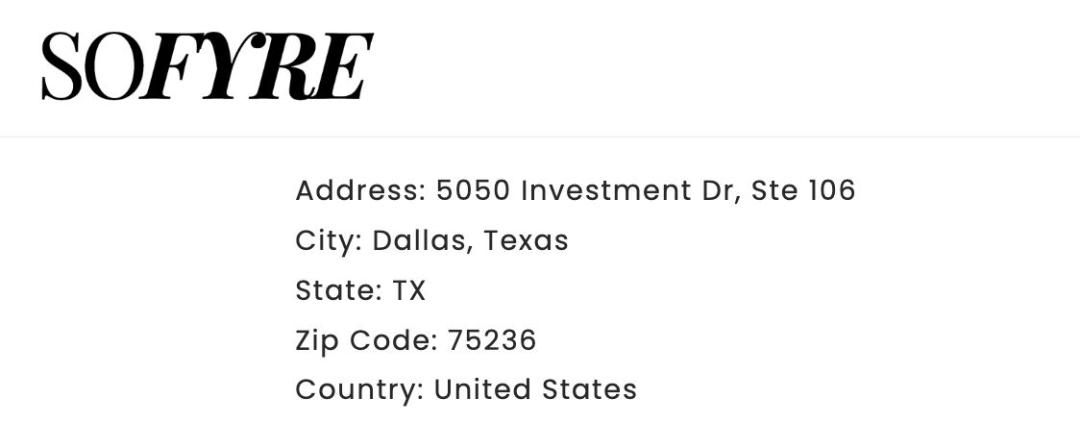
Furthermore, mapping data suggests the physical address may be linked to a commercial freight and industrial warehouse hub rather than a traditional corporate headquarters or dedicated retail center.

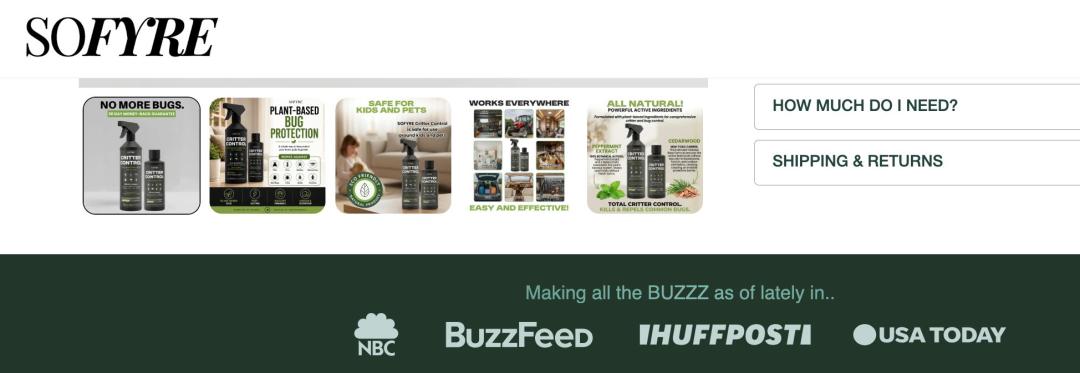
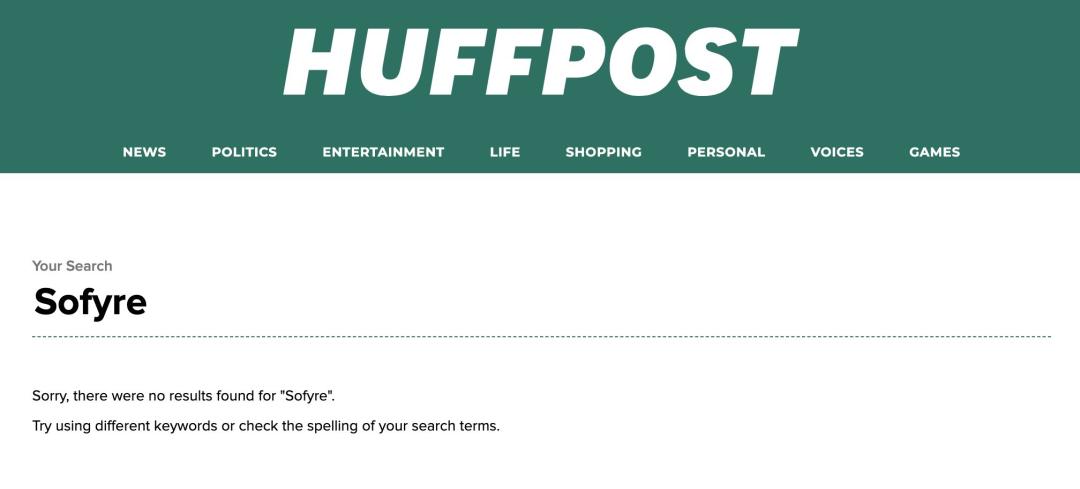
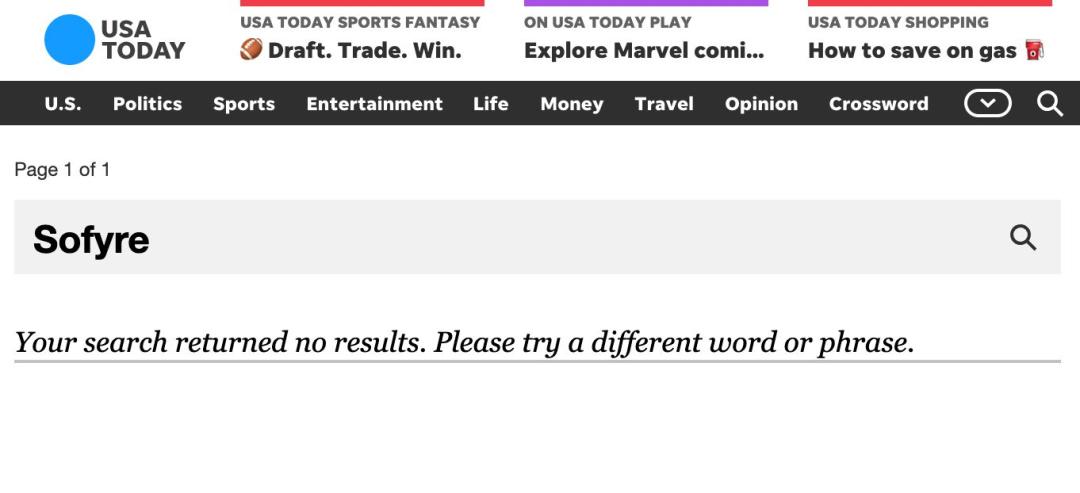
The promotional pages feature prominent logos for major media networks like NBC, BuzzFeed, HuffPost, and USA Today. However, independent searches of those domains do not seem to yield any matching articles or public features regarding SoFyre Critter Control Spray, indicating these badges may serve primarily as stylistic design elements rather than verified press coverage.
Furthermore, the storefront does not link any actual articles to these logos, which makes the verification of these media claims difficult and questionable for potential consumers.
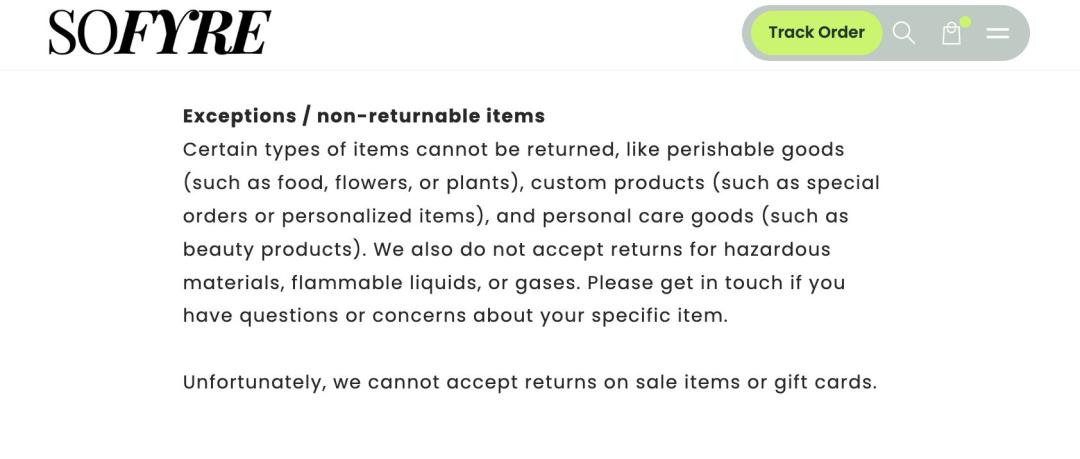
Storefront policies indicate a 30-day return window, yet a sub-clause notes that returns may not be accepted on sale items. Because the items seem to be permanently featured under heavily discounted promotional rates, navigating the actual refund process for SoFyre Critter Control Spray may prove challenging under these terms.
Public consumer monitoring platforms, including the Better Business Bureau (BBB) Scam Tracker, host multiple accounts from individuals detailing their experiences with the company. A recurring theme in these public reports seems to involve unexpected billing disputes regarding SoFyre.
Several documented accounts suggest that the checkout process may inadvertently enroll users into automatic monthly renewal systems. According to these public statements, some consumers noted receiving consecutive monthly credit card charges despite believing they had opted out of recurring shipments for SoFyre products.
Additionally, reports within these registries allege potential difficulties when attempting to contact customer support via the provided phone lines to resolve fulfillment delays or cancel active billing cycles.
Based on a comprehensive review of publicly available data, SoFyre Critter Control Spray seems to feature a legitimate blend of aromatic essential oils that may offer short term repellent qualities. However, the premium pricing structure, paired with aggressive online sales funnels and documented billing complaints on public consumer forums, suggests that buyers may want to weigh these factors carefully.
While these unverified marketing features and operational configurations do not automatically classify an e-commerce platform as illegitimate, the combination of multiple distinct red flags within the publicly available data suggests that potential buyers should navigate the SoFyre Critter Control Spray storefront with caution. Consumers looking to minimize financial uncertainty may want to favor retail distributors with highly transparent, long standing operational histories.
Furthermore, anyone proceeding with an order from an unfamiliar domain should consider utilizing secure, digital payment methods that feature strong third-party transaction monitoring to safeguard personal billing credentials against unintended recurring charges.
This objective review is for educational, informational, and critical commentary purposes only. The observations are based on an independent evaluation of publicly available marketing materials, product specifications, domain metrics, and third-party tracking indexes at the time of writing.
This content provides a neutral analysis of documented retail patterns and does not make definitive accusations regarding the legality or operational legitimacy of the entities involved. It neither promotes nor condemns the product, noting storefront setups without endorsing or verifying their practices. Individual results may vary; consumers are encouraged to autonomously evaluate marketing claims and digital transparency before purchasing.
All product names, logos, and trademarks (including "SoFyre" or "Critter Control Spray") belong to their respective owners and are used under fair use guidelines solely for identification and commentary purposes. This commentary does not constitute professional pest control or structural advice; always consult a licensed pest management professional regarding persistent residential infestations.
This article has been written by a Scam Fighter Contributor, De-Reviews.com Team. If you believe the article above contains inaccuracies or needs to include relevant information, please contact ScamAdviser.com using this form.
De-Reviews.com Team is a group of scam researchers, editors, and online safety advocates dedicated to exposing online fraud and helping consumers stay safe online. The team has been investigating scams, fraudulent websites, phishing campaigns, and other online threats since 2014. Read the Full Author Profile.
