
EN
This article was updated by Jamie James on June 12. 2026, based on the latest reports submitted by real users to ScamAdviser, using the reporting function.
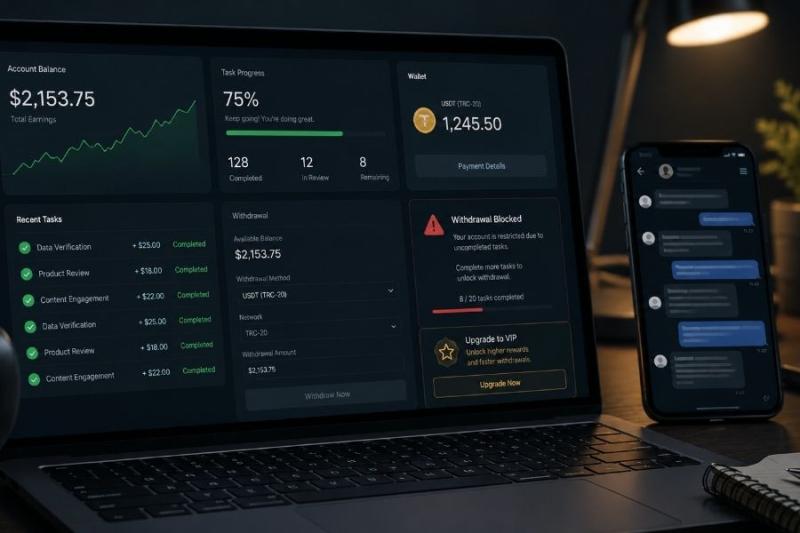
What is one thing that gets into our dreams? Must be making easy money. Task scams directly promise that dream, and many fall for the flowery words and fantasies. These scams look harmless at first, just like others; they could be about rating products, like videos, reviewing hotels, testing apps, or “optimizing” online listings for a small commission. Then the platform shows fake earnings and asks you to deposit your own money before you can continue or withdraw.
Task scams often start on WhatsApp, Telegram, SMS, Instagram, or a fake recruiter profile. The message may use phrases such as “flexible part-time work,” “no experience needed,” “daily salary,” “app optimization,” or “product boosting.” The first payment may even arrive, which makes the job feel real. But guess what, a real employer does not ask you to pay money so you can get paid.
A task scam is a fake job scheme where you are told to complete small online actions for money. These tasks may include rating products, liking videos, reviewing hotels, testing apps, clicking listings, or placing fake orders.
This type of online task scam often appears as a work from home scam, but the real goal is to move you onto a fake job platform where you must pay before you can withdraw.
Common task scam job titles that you may encounter:
Some of these roles exist in real companies. What you should be careful about is not the title here, but when you realize that the talk takes a turn and the scammer tries to move to private chat or a strange platform. Some scammers even have the audacity to ask you to deposit a small amount of money into their accounts.
Before you sign in, paste the website into the ScamAdviser website checker. Review the Trust Score, domain age, owner details, server signals, reviews, and warning signs.
Job scams appeared in 1,756 reports submitted to ScamAdviser by real users, and task-related wording appeared hundreds of times in report text.
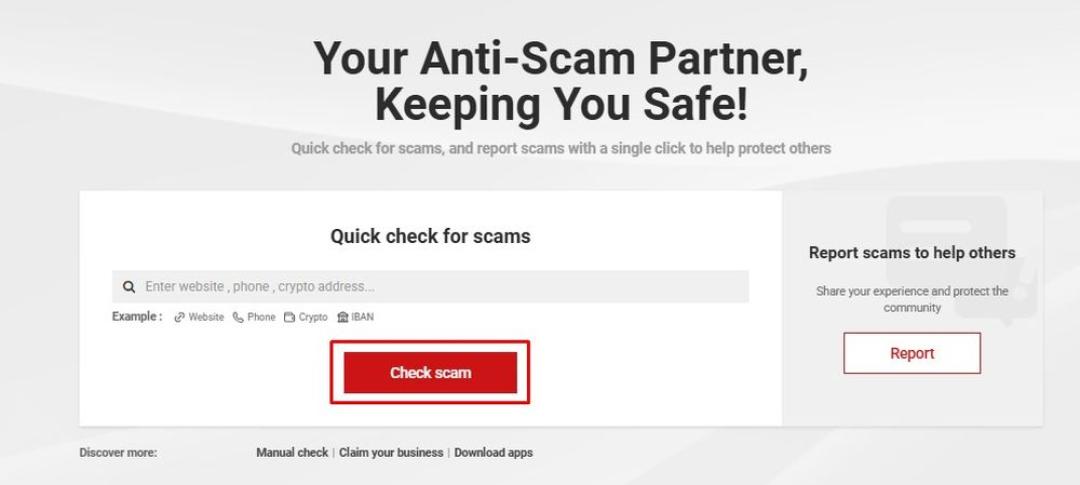
Make sure you get a high Trust Score after your search, but don’t rely solely on it (Image Credit: ScamAdviser)
Most task scams begin with a direct message from a stranger. The person may claim to represent a recruitment agency, global brand, hotel platform, app company, crypto company, or online marketplace. In some cases, these might be categorized as WhatsApp scams and Telegram scams.
The first message is usually really similar, like:
Once you reply, the fake recruiter may move you to WhatsApp, Telegram, Signal, or another messaging app. That’s when you should stop and think: “Wait a minute, why?”
After the first chat, you may meet a “mentor,” “trainer,” “customer service agent,” or “task manager.” This person explains the job, sends screenshots, and tells you how to create an account on the task website.
The fake supervisor may also add you to a group chat. The group often contains fake workers who post screenshots of payments and say things like “I withdrew today” or “VIP tasks paid me more.” These messages are all parts of the bigger picture; they are not genuine but fake.
One of the most-used ways to make a scam feel genuine is coming up with a realistic or convincing dashboard or website. In task scam cases, you may see a balance, daily tasks, commissions, levels, streaks, and withdrawal buttons.
You click tasks, your balance rises, and the platform rewards you with words such as “completed,” “bonus,” “upgrade,” or “locked profit.” That’s how these scammers keep victims engaged. This way, you don’t understand what is really going on and continue your tasks.
Many victims receive a small payment at the start. This is one of the most dangerous parts of the scam because it makes you think the job is real.
Obviously, that early payment is bait. The fake platform may later ask you to pay more than you earned, and the withdrawal button may stop working when your balance looks large.
Some task scams place work into sets. You may need to finish 30, 40, or 50 tasks before you can withdraw. Near the end, the system may trigger a “special task,” “double task,” or “combo task” that pushes your account into a negative balance.
Then the fake supervisor tells you to “recharge” your account. This will make you think as if there is a technical rule there, but in reality, it means you must send your own money to continue.
A task scam usually reveals itself before the biggest loss happens. For example, a remote job scam often avoids normal hiring steps and pushes you toward a private dashboard, crypto wallet, or payment instruction instead.
Watch for these signs:
There are all red flags that you should look out for before depositing any money, or even replying to that initial warm message from the scammer.
If you have already paid, it might be almost impossible to get your money back depending on the method you used to complete the payment. But regardless, follow these steps:
Do not pay a tax, recharge, upgrade, wallet fee, verification fee, or withdrawal fee. These payments usually extend the scam.
If you paid by card, bank transfer, or payment app, contact the provider immediately and explain that the payment was part of a job scam.
If you paid with crypto, contact the exchange where you bought or sent the funds. Crypto recovery is difficult, but you might be lucky if you act fast.
Report the task platform to ScamAdviser and check whether other users have already reviewed it. Your report can help other people see the warning signs before they send money.
You should also report the scam to your local cybercrime authority or consumer protection agency.
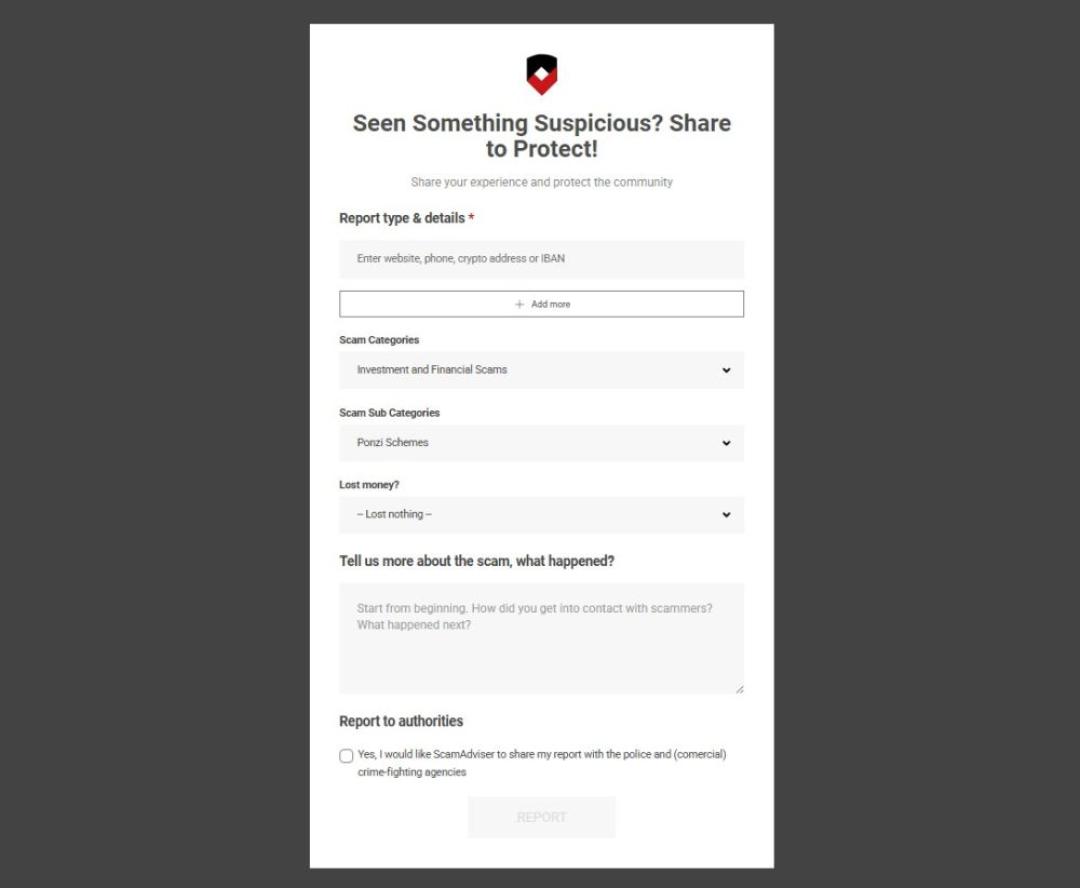
Fill in the necessary boxes and help us keep the internet safe (Image Credit: ScamAdviser)
Can task scam money be recovered?
Recovery depends on the payment method, timing, and where the money went, so contact your bank, payment app, or crypto exchange immediately and report the scam.
Why do task scams ask for crypto?
Task scams often ask for crypto because payments are hard to reverse and the fake platform can move funds quickly.
Are remote job offers on WhatsApp real?
Some real businesses use WhatsApp, but a remote job offer from a stranger that asks for deposits, crypto, or private platform access is a serious warning sign.
What should I do if I shared my ID with a task scam website?
Save evidence, report the site, monitor your accounts, change reused passwords, and contact the relevant identity protection or fraud authority in your country.
Written by: Jamie James
