
EN
In a Nutshell
According to data from the Federal Trade Commission, consumer fraud losses have climbed to over $12.5 billion, with health-related scams increasing as opportunistic sellers tap into demand for quick weight loss solutions. Products like The SlimPic are appearing more frequently in social media ads, often promising dramatic transformations in a short time frame.
These ads typically focus on emotional outcomes rather than verifiable science, raising the question of whether the product represents a genuine breakthrough or a familiar pattern in online supplement marketing.
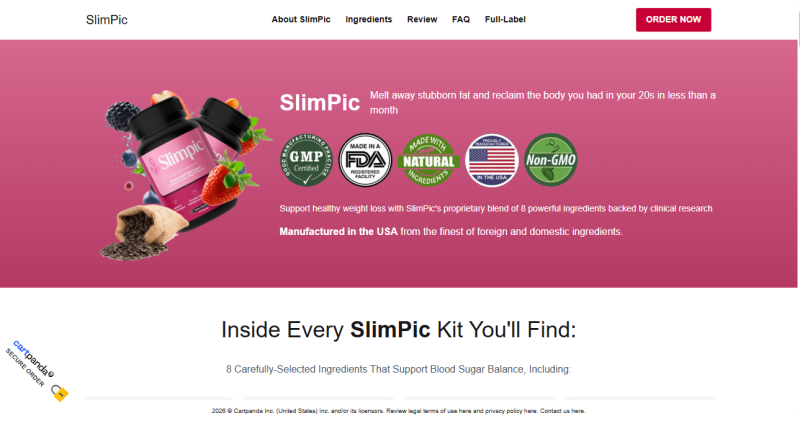
TheSlimPic.com is presented as a fat-burning supplement designed to accelerate metabolism and reduce stubborn body fat. The messaging emphasizes rapid results, with claims of achieving noticeable changes within weeks.
The product is positioned as a simple daily solution, often accompanied by before-and-after imagery and lifestyle-focused messaging. However, there is limited emphasis on the underlying formula or the specific mechanism that would support such outcomes.
In the supplement industry, a lack of detailed ingredient transparency is often noted as a risk factor, particularly when marketing focuses more on results than on how those results are achieved.
The product description frequently uses terms such as “clinically proven” and “doctor recommended.” These phrases are commonly used in supplement marketing to establish credibility.
However, no direct links to peer-reviewed studies or clinical trial data are typically provided alongside these claims. Without verifiable evidence, such terms function more as marketing language than scientific validation.
It is also important to clarify that the Food and Drug Administration does not approve dietary supplements for effectiveness before they are sold. Any implication that a specific supplement has been approved or endorsed at that level may misrepresent how regulation in this category works.
A review of the sales process shows the presence of urgency-driven elements such as countdown timers and limited stock notifications. These features are commonly used in online marketing to accelerate purchasing decisions.
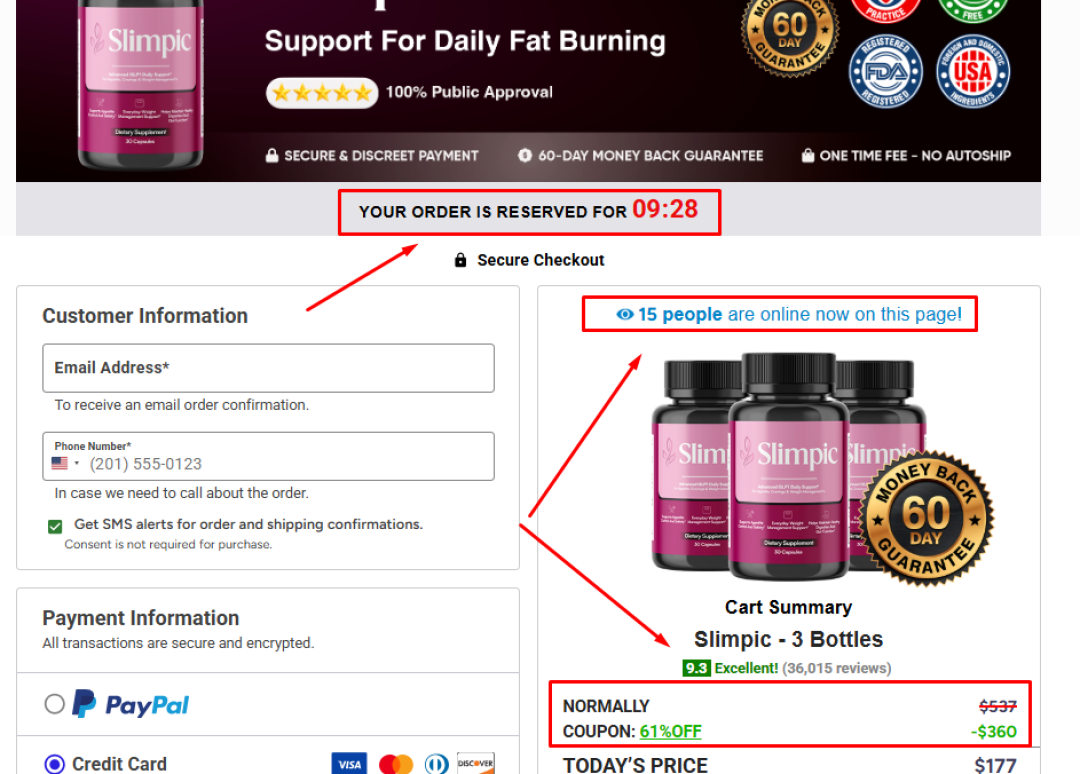
Bulk purchase offers are also prominently displayed, encouraging buyers to commit to multi-month supplies before trying the product. This approach increases upfront spending while reducing the opportunity for evaluation after initial use.
Such tactics are often associated with sales strategies that prioritize immediate conversions rather than long-term customer satisfaction.
We have seen the exact same design in our Brain Vex Review article.
Independent verification plays a key role in assessing any health product. Searches across platforms such as Trustpilot and the Better Business Bureau show limited third-party feedback connected to The Slim Pic.
The official website presents highly positive ratings and testimonials, but these are hosted within a controlled environment. Without a broader range of independent reviews, it is difficult to confirm the consistency and reliability of the reported results.
In general, widely effective products tend to generate discussions across multiple independent platforms, including forums and review sites. Limited external presence can make verification more challenging.
Before purchasing any supplement, it is advisable to review the ingredient list and verify each component through credible sources such as the National Institutes of Health. Consulting a qualified medical professional can also help assess whether a product is appropriate for individual health needs.
Taking time to evaluate independent reviews, understanding the return policy, and avoiding rushed decisions can reduce the likelihood of regret. Products that rely heavily on urgency often benefit from quick decisions rather than informed ones.
Overall, we have doubts about The Slim Pic
The Slim Pic uses the language of science and transformation to promote a product that lacks transparent verification, making it a cautious purchase for consumers seeking reliable health solutions.
This article has been written by a scam fighter volunteer. If you believe the article above contains inaccuracies or needs to include relevant information, please contact ScamAdviser.com using this form.
Adam Collins is a cybersecurity researcher at ScamAdviser who operates under a pseudonym for privacy and security. With over four years on the digital frontlines and 1,500+ days spent deconstructing thousands of fraud schemes, he specialises in translating complex threats into actionable advice. His mission: exposing red flags so you can navigate the web with confidence

