
EN
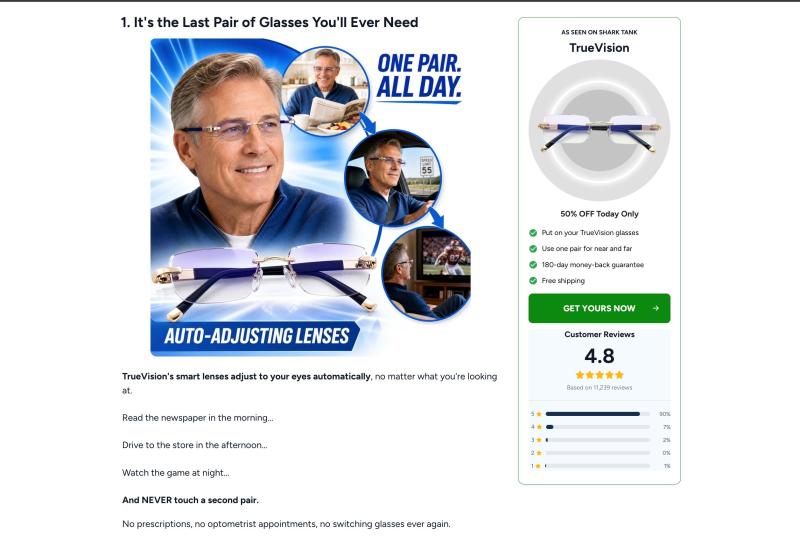
True Vision glasses have recently gained a significant amount of attention across various online platforms through promotional campaigns highlighting them as a major breakthrough for the optical industry. These advertisements suggest that TrueVision eyewear features a special adaptive lens technology that senses what you are doing and automatically adjusts to your exact vision needs within seconds.
The marketing materials imply that a single pair may eliminate the need for standard prescriptions, routine optometrist appointments, and separate prescription sunglasses altogether.
To evaluate whether the TrueVision glasses behave as expected, it is important to analyze the public claims versus the general reality of over-the-counter optical products.
Many online consumers may be enticed by professional-looking special reports that feature prominent ratings and technical descriptions of these smart lenses. However, looking past the glossy promotional materials may reveal a somewhat different narrative regarding TrueVision glasses.
During hands-on product evaluations of the adaptive eyewear concept, physical testing reveals how these factory-molded items function in reality. In a real-life evaluation, a reviewer who is nearsighted and experiences specific distance-vision challenges noted that wearing the product actually made their vision worse, rendering text unreadable even at normally adequate distances. Such visual adjustments show that the True Vision product may not possess advanced, intelligent "auto-focus" capabilities that dynamically change for near, far, and everything in between.
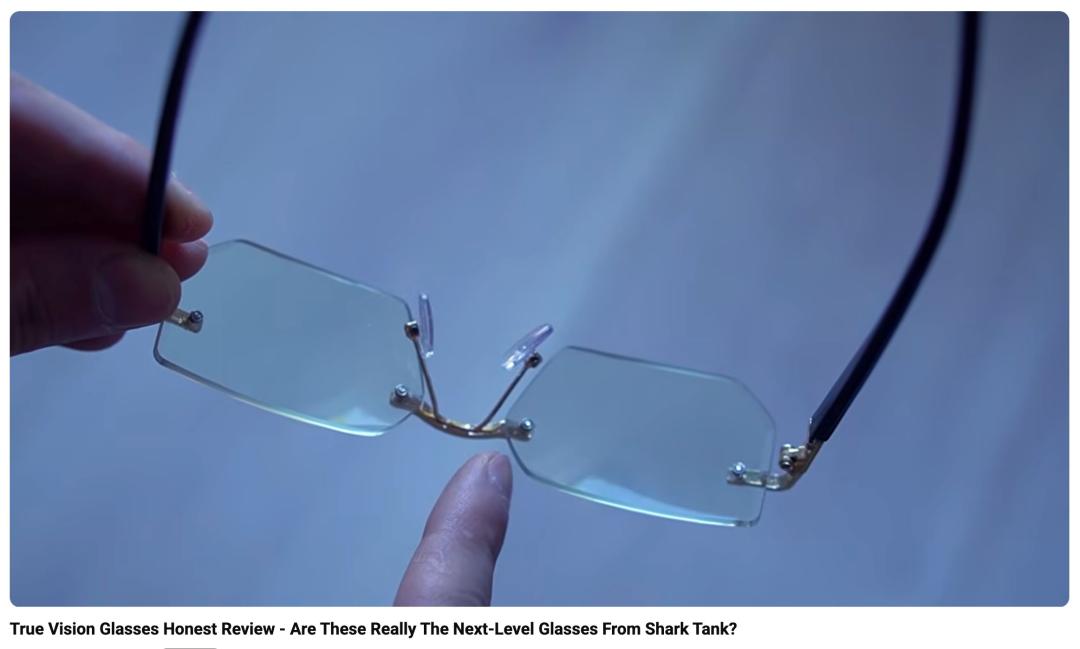
Close inspection of the item's build quality reveals that the gold paint may come off on the sides right out of the box, the nose pads may appear off-center, and the frames themselves may be visibly skewed to one side. Because the lenses are made of standard plastic without complex internal technology, the TrueVision glasses in reality seem to have a fixed magnification power, estimated around plus-one strength on specific models. This indicates the item functions as basic reading lenses rather than an active technological device.
Generic lenses may not suit every eye requirement, and photochromic attributes that claim to shield your eyes from UV rays by darkening instantly outside may react weakly to sunlight. As shown in the screenshot below from our practical evaluation, a real product demonstration detailing these physical features and performance tests can be viewed directly on the ScamAdviser YouTube Channel.
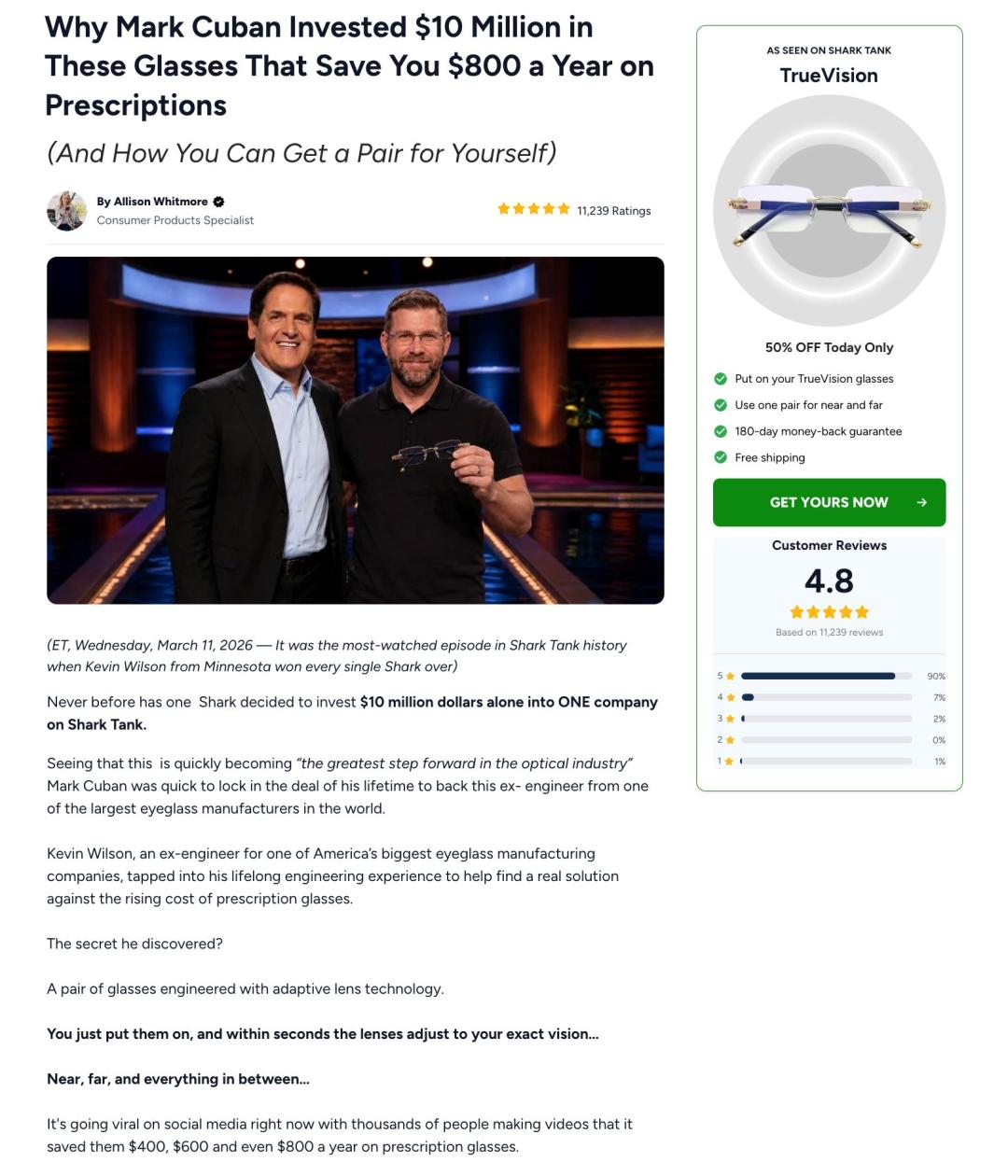
As per publicly available information, marketing pages for TrueVision glasses frequently share layout structures and promotional narratives across multiple digital domains simultaneously. A notable consistency among these platforms is the prominent use of television broadcasting imagery to imply a direct endorsement from the business reality show Shark Tank.
According to public documentation, promotional articles often claim that an ex-engineer named Kevin Wilson from Minnesota won over every single investor, resulting in a ten-million-dollar deal from Mark Cuban to back the brand. Other promotional variants even suggest an offer as high as thirty million dollars. However, public broadcast records do not appear to show any such pitch, investment, or official alignment, indicating that the entire television pitch narrative seems to be an unverified hoax.
Furthermore, the website claims that the lenses may stop vision decline completely and save consumers $400 to $800 a year by keeping the eye's focusing muscles active. This narrative may not align with standard optical science regarding natural, age-related vision changes. Consumer reports also indicate that some ordering platforms may sneak in unauthorized additional charges for shipping or unnecessary recurring memberships during checkout.
A balanced overview of TrueVision glasses highlights several considerations:
The advanced attributes of TrueVision glasses may appear heavily exaggerated in advertisements. Purchasing them resembles a visual lottery where the item may be entirely unusable depending on your underlying eye condition. It may usable for some vision conditions though. Consumers may prefer consulting a licensed optometrist for tailored prescription eyewear and should always use safe payment methods.
This article has been written by a Scam Fighter Contributor, De-Reviews.com Team. If you believe the article above contains inaccuracies or needs to include relevant information, please contact ScamAdviser.com using this form.
De-Reviews.com Team is a group of scam researchers, editors, and online safety advocates dedicated to exposing online fraud and helping consumers stay safe online. The team has been investigating scams, fraudulent websites, phishing campaigns, and other online threats since 2014. Read the Full Author Profile.
