
EN
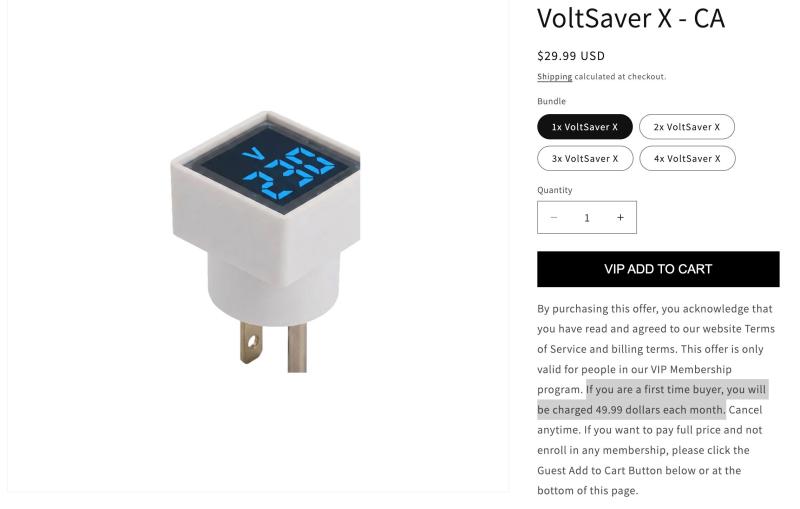
VoltSaver X is a plug-in device marketed as a tool to help optimize household energy management and potentially lower monthly electricity bills. Distributed across multiple independent online storefronts, the product has generated significant discussion regarding its actual technical capabilities.
While promotional materials present it as an accessible solution to rising energy costs, publicly available information suggests that consumers may want to carefully evaluate its technology and purchasing terms before buying.
VoltSaver X claims to be a compact, plug-in unit designed to be inserted into a standard wall outlet, ideally close to a home's main breaker box. According to promotional materials, the device contains internal components like capacitors and stabilization systems. The marketing narratives suggest these parts work together to stabilize current, mitigate voltage spikes, and smooth out electrical flow across household appliances.
To provide an objective overview, it is helpful to look at both the intended functionality of the device and the practical limitations reported by technical reviewers.
Simple Installation:
The device features a plug and play design that requires no professional electrical work or structural modifications.
Compact Visual Feedback:
It includes an integrated digital readout or LED indicator light to show users that power is flowing into the unit.
Based on publicly available electrical engineering principles, residential meters measure energy in kilowatt-hours (kWh). While devices containing capacitors may adjust the power factor of inductive loads (like large motors), standard residential consumers are typically not billed for power factor discrepancies. Therefore, altering this metric may not result in any noticeable reduction on a standard home utility bill.
Because the device must remain plugged in and features functioning LED lights or displays, it may continuously draw a minimal amount of electricity, which could slightly increase baseline usage.
Publicly available details regarding verified manufacturing origins and standardized safety certifications (such as UL or CE marks) appear limited, which may pose questions regarding long term electrical safety.
According to a detailed investigation by consumer safety charity Electrical Safety First, lab testing on plug-in "energy-saving" devices revealed that they contained no internal components capable of reducing energy bills. Instead, multiple units failed basic safety regulations, exhibiting structural flaws like weak plug pins that can break off inside a socket, creating severe risks of electric shock or potential fire hazards.
Similarly, consumer protection group Which? published a report highlighting that near-identical generic plugs failed safety standards multiple times, triggering official government recall notices. International regulators, including Singapore’s Energy Market Authority, have also issued public warnings declaring that the extreme bill-reduction narratives used to market these plug-in boxes are mathematically false.
When researching the background of VoltSaver X, independent consumer advocates and technical analysts have pointed out several patterns that may warrant a closer look.
Public observations suggest that some promotional campaigns for VoltSaver X utilize digital video formats resembling automated or AI-generated testimonials. Analysts have noted instances where existing footage from independent creators appears to have been modified to match the promotional script of a fictional spokesperson. Consumers may want to verify the authenticity of endorsements before trusting the claims made in these videos.
The operational framework and structural layout of VoltSaver X appear closely related to other power optimization gadgets previously examined in the marketplace. For instance, the marketing narratives and technical concepts heavily mirror those analyzed in our previous coverage of Power Pro Genius and StopWatt.
Observers suggest that these types of items may frequently undergo rebranding under different product names to generate fresh consumer interest.
Unlike products tied to a single brand name, VoltSaver X appears to be distributed through multiple independent e-commerce storefronts. Public feedback indicates that some of these third-party checkout pages may include secondary text or pre-checked program terms.
According to user and reviewer reports, these programs may initiate recurring monthly membership fees if a buyer does not explicitly opt out during the final purchase steps. Shoppers are strongly encouraged to thoroughly review all fine print and line items before finalizing a credit card transaction.
VoltSaver X offers an appealing idea for homeowners who want to cut down on their electric bills. However, standard electrical engineering principles and regulatory safety findings suggest that plug-in devices like VoltSaver X may not actually change how a home meter measures power.
Because residential bills are based on total energy used rather than current stabilization, the unit may not offer any real financial savings. When you combine this with misleading online ads and hidden checkout fees on various websites, it seems best to be very careful.
Prospective buyers may want to think twice and thoroughly read the fine print before spending money on a VoltSaver X and only use safe payment methods that provide robust protection.
The information contained in this review is based on publicly available data, standard electrical engineering concepts, and third-party consumer reports current at the time of writing. This article is intended solely for educational, informational, and critical review purposes and does not constitute formal legal, financial, or technical advice.
The use of the product name, trademarks, and associated website screenshots is intended strictly under fair use principles for identification, analysis, and commentary. All intellectual property remains the property of its respective owners.
This review is entirely independent; it neither promotes nor condemns the product, nor does it express a definitive confirmation of corporate intent or product performance. Consumers are encouraged to perform their own due diligence and review all seller terms carefully before making an online transaction.
This article has been written by a Scam Fighter Contributor, De-Reviews.com Team. If you believe the article above contains inaccuracies or needs to include relevant information, please contact ScamAdviser.com using this form.
De-Reviews.com Team is a group of scam researchers, editors, and online safety advocates dedicated to exposing online fraud and helping consumers stay safe online. The team has been investigating scams, fraudulent websites, phishing campaigns, and other online threats since 2014. Read the Full Author Profile.
