
EN
In a Nutshell
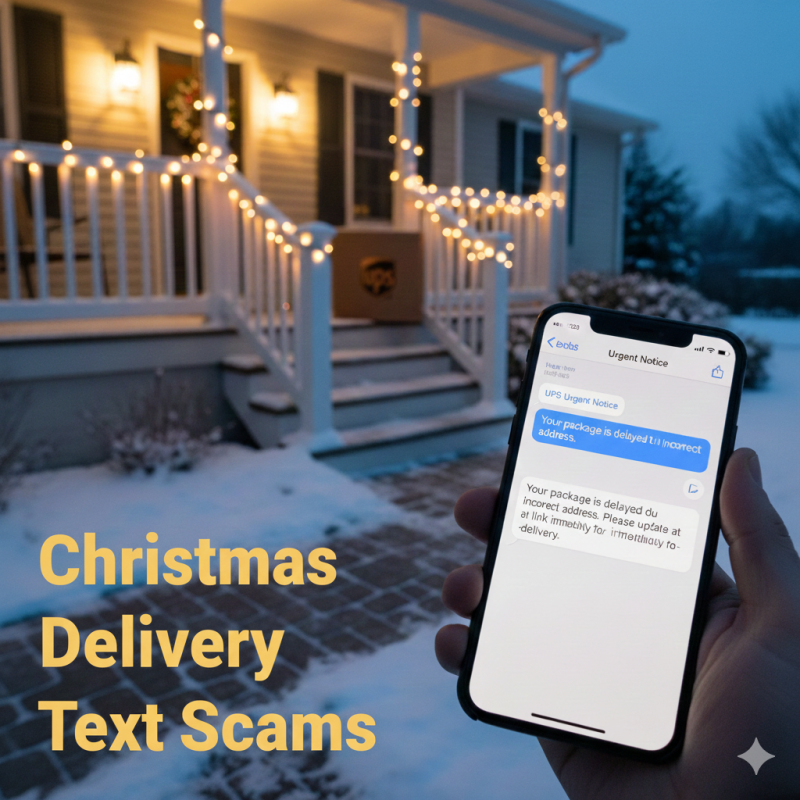
Every holiday season, Christmas shipping scams surge — and the biggest danger isn’t fake websites you stumble across. It’s smishing, also known as SMS or text phishing, and it's how scammers bypass your spam filters with highly realistic texts. One convincing message about a delayed package is often enough to make even careful shoppers click without thinking. That single click can lead to stolen passwords, card details, or malware on your phone.
The good news is that avoiding holiday delivery scams doesn’t require special tools or technical skills. It just requires a simple habit change. This guide shows you exactly what to do instead of clicking that message, using a clear verification protocol you can rely on all season long.
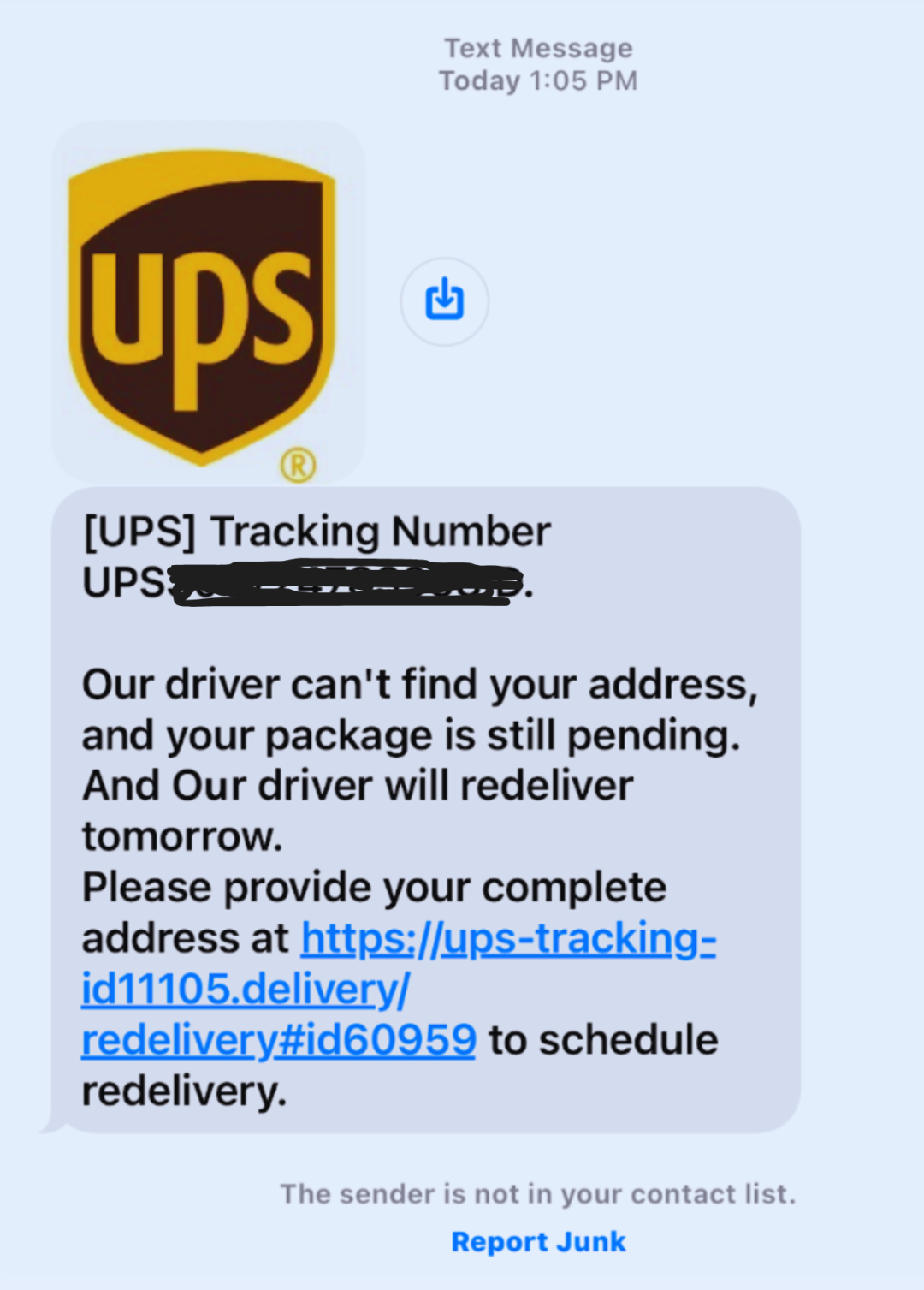
The most common fake delivery text claims your package couldn’t be delivered and asks you to reschedule. These messages often look urgent and include a shortened link. They work because during November and December, almost everyone is expecting something. Real delivery companies don’t fix failed deliveries through random text links.
Another popular trick is the unexpected fee scam. You’ll receive a message asking you to pay a small amount for customs clearance or re-delivery. This is a classic package tracking scam. Legitimate carriers do not request surprise payments through SMS, especially not small “test” charges.
Then there’s the fake order confirmation. These messages claim you ordered something expensive and urge you to click “cancel” immediately. The goal isn’t customer service — it’s panic. Once clicked, these holiday delivery scams can harvest login details or install malicious software.
This protocol replaces clicking links entirely and is the most effective way to stop Christmas shipping scams.
Step one is simple but critical: do not click the link. Even opening it can expose your phone to malware or redirect you to a convincing fake page designed to steal your details. If a message pressures you to act fast, that’s already a warning sign.
Step two is to find the official site yourself. Open your browser or the carrier’s official app and manually type the address. Whether it’s UPS, FedEx, USPS, or DHL, the key is that you control how you get there. This single habit blocks most fake delivery text attacks instantly.
Step three is to manually verify tracking number details. Copy the tracking number from the suspicious message and paste it only into the official carrier’s tracking page. If the number doesn’t exist, doesn’t match your order, or shows no record at all, the message is a scam. This method answers the question many people ask online: how to spot a fake UPS or FedEx text message. The answer is simple — real tracking numbers work on real websites.
If you’re worried because you already clicked, don’t panic — act quickly. If you entered a password, change it immediately and update it anywhere else you reused it. If you entered payment details, contact your bank or card provider right away so they can monitor or block fraudulent charges.
You should also report the message by forwarding the text to 7726 and filing a report with the FTC. Finally, look up the sender using our app. Being able to see whether others have flagged that number is one of the fastest ways to confirm a package tracking scam before more damage is done.

Verify your Christmas packages instantly with ScamAdviser's App here
FAQs: Christmas Shipping Scams Explained
How to spot a fake UPS or FedEx text message?
Urgent language, shortened links, and requests to confirm personal details are the biggest red flags. Real carriers don’t pressure you through SMS links.
What are the red flags for holiday package notification scams?
Unexpected messages, generic greetings, mismatched tracking details, and payment requests are common signs of holiday delivery scams.
What to do if you clicked a suspicious delivery link?
Change passwords immediately, contact your bank if payment details were entered, and report the scam. Then search the sender using our app.
How can I safely verify tracking number information?
Always type the carrier’s official site yourself and paste the number into their tracking page. Never trust links in a fake delivery text.
Christmas shipping scams rely on urgency and distraction. Slow down, follow the verification protocol, and never click delivery links. When something feels off, search the sender or caller ID using our app before taking action. A few seconds of checking can save you weeks of holiday stress.
